
Headache and TMJ Therapies
The temporomandibular joint (TMJ) is located just in front of each ear. It is a complex joint that acts as the hinge for the lower jaw. Many people at one time or another have likely experienced some symptoms that caused discomfort in this joint and/or the surrounding muscles. These symptoms are often caused by a poor bite or nighttime clenching and/or grinding.
Unfortunately, many people are not aware of the symptoms that may arise from these habits. These symptoms may include clicking of the jaw joint, head, neck or shoulder aches, gum disease (including bleeding gums), wear of the edges of the front teeth, recession of the gum line, tooth sensitivity, broken fillings, and loose teeth.
Dr. Shafaee and Dr. Shahriyarpour were trained to treat TMJ issues at the UCLA School of Dentistry's Department of Orofacial Pain. This institution is a leader in research in the field of TMJ disorders.
Everyone should have a TMJ screening by a qualified dental professional on an annual basis. This simple evaluation will aid in your overall oral health and can help identify many pain and sensitivity problems that have persisted for years.
TMJ Treatment Options
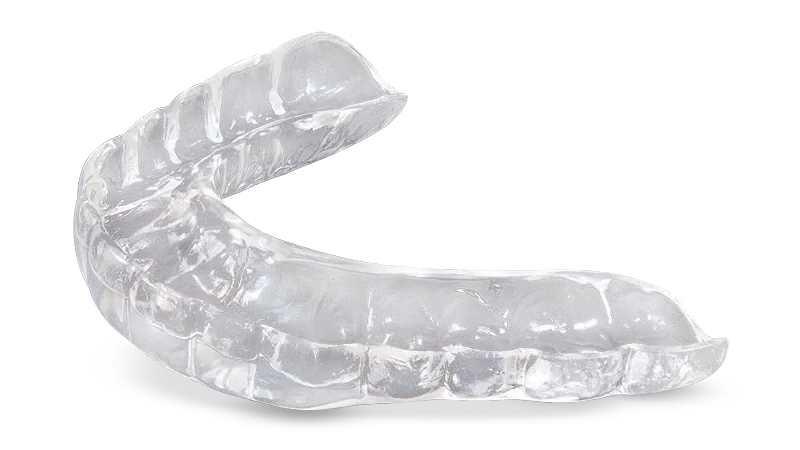
Custom Night Guards (Occlusal Guards)
A custom-fitted guard worn at night stabilizes the jaw and protects your teeth from clenching and grinding (bruxism). It can reduce jaw and muscle pain and lower the chance of chipped teeth, loosened fillings, and fractured crowns. Our guards are made from medical-grade acrylic that is BPA-free and gluten-free.
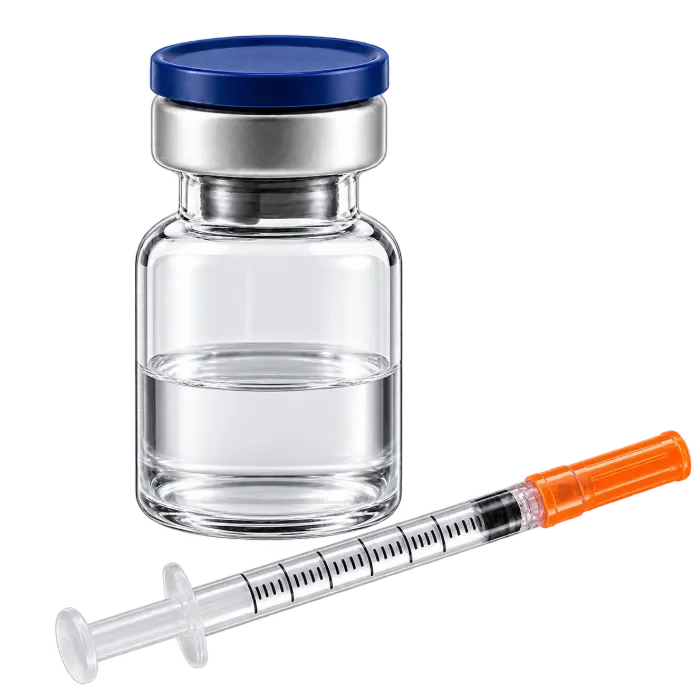
Botulinum Toxin Injections (Botox® and Xeomin®)
For patients who still have discomfort after a night guard or physical therapy, botulinum toxin can relax the overactive jaw muscles behind clenching and grinding, easing jaw soreness and related headaches. Results typically last about 3 months, so repeat treatments are needed to maintain relief. Using it for TMJ symptoms is an off-label use of an FDA-approved medication; we will review the benefits and risks with you first.
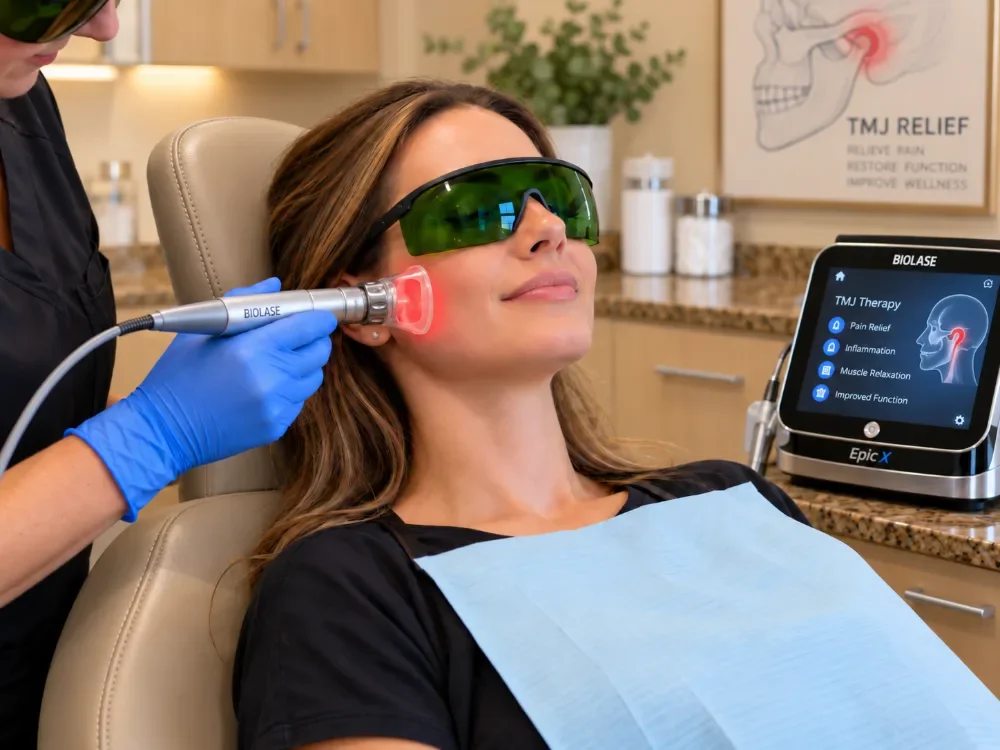
Low-Level Laser Therapy
Low-level laser light reaches deep into overworked jaw muscles to reduce inflammation and support healing, which can relieve pain and improve jaw function. It is non-invasive and generally comfortable. Most patients need 5 to 8 sessions, depending on severity.
Do you also snore or have sleep apnea? Jaw problems and sleep problems often travel together. Learn about our snoring and sleep apnea treatment.